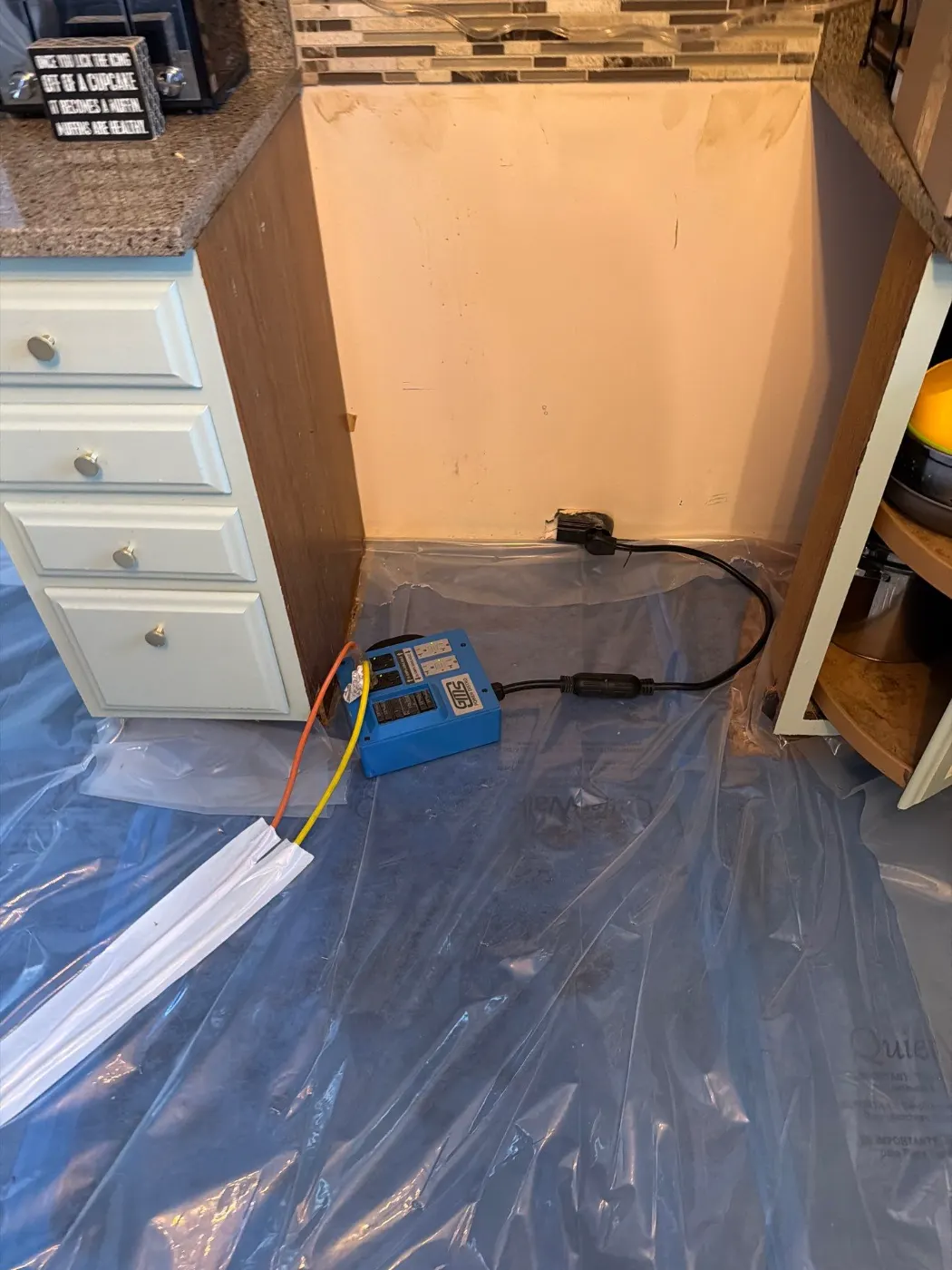
Commercial Water Restoration in Allisonville, IN
From the lift pit to the ceiling plenum, Allisonville commercial water losses dried to documented readings.
Commercial Water Restoration in Allisonville, IN starts with one call to Allisonville Water Restoration: live 24/7 dispatch, IICRC certified response, and honest written scopes before work begins. Call (317) 342-7736.
- Service: Commercial Water Restoration for Allisonville homeowners
- Service area: Allisonville, IN and surrounding areas
- Response time: 24/7 live dispatch; emergency crews prioritized for Allisonville
- Licensed and insured (License #RC21100059)
- Serving Allisonville, IN since 2018
Commercial Water Damage Restoration in Allisonville
We extract water and dry commercial buildings across Allisonville, and we're available around the clock.
Site Conditions
Freeze and thaw cycles each winter can burst pipes in unheated parts of a commercial building. Your building's own drains and roof get checked on the first walkthrough with whoever manages the property.
We cover commercial properties across Allisonville, including the area around the East 71st Street retail corridor. We also handle commercial water losses in Millersville.
Commercial Water Restoration for Allisonville Businesses
One fire sprinkler head discharged and it put far more water on the floor than most people expect, because the line keeps flowing until somebody closes the control valve. Now water sits in the ceiling plenum, has reached two floor levels, and stands in the corridor. Allisonville Water Restoration dispatches to commercial water losses in Allisonville within 2 hours with pumps, extraction units and the documentation process your carrier is going to ask for.
Finding where the water went decides the whole scope. Allisonville Water Restoration crews map with thermal imaging, moisture meters and small inspection holes, then record readings by location so the next day's numbers mean something. On a loss that crossed floors in your Allisonville building, that mapping is usually what finds the areas nobody had reported wet yet.
Overhead water gets released first. When a ceiling tile or gypsum panel in your Allisonville building sags with trapped water, Allisonville Water Restoration crews puncture it at the lowest point over a bucket or a tarp, so the weight comes down where protection has been laid. Saturated tile and wet insulation above it follow, and the plenum gets dried afterward.
Larger commercial losses often bring in an independent adjuster or a consultant who reviews the drying. Allisonville Water Restoration documents the way that review needs, with daily readings, baseline comparisons, equipment placement records and the calculation behind the equipment count. When a consultant walks your Allisonville building, the file is there for you to share, along with the marked reading spots.
Property managers with several buildings in Allisonville and Marion County can call one number for all of them. Phone (317) 342-7736 to reach Allisonville Water Restoration, and each loss comes back with the same file format, so ownership and your carrier read one property the same way they read the next.
Signs You Need Commercial Water Restoration
If you notice any of these in your Allisonville building, schedule a free inspection before the issue worsens.
Rust staining at the base of steel studs, shelving uprights or racking posts
Fire sprinkler discharge with water still spreading out across the floor plate
A damp ring spreading across a suspended ceiling tile directly below a plumbing riser
Water running down stairwell treads or collecting on a landing below an upper floor
Sewage backing up at a floor drain in a restroom, kitchen or loading area
Cove base pulling away from gypsum board along a corridor or exterior wall
A shutoff valve or supply line weeping behind an access panel in a janitor closet
A pipe split in an unheated vestibule or loading dock after a cold snap
Drinking fountain supply line weeping inside a wall cavity
Wood flooring in a gym or sanctuary cupping along the edges after a leak
How Allisonville Water Restoration Handles Commercial Water Restoration
We follow these steps in order on every Allisonville job.
Dispatch and Site Access
A crew dispatches to the property once the call comes in. The team sends the certificate of insurance and vendor paperwork ahead, so badging, loading dock use and freight lift access are cleared before the truck arrives.
Containment and Zone Planning
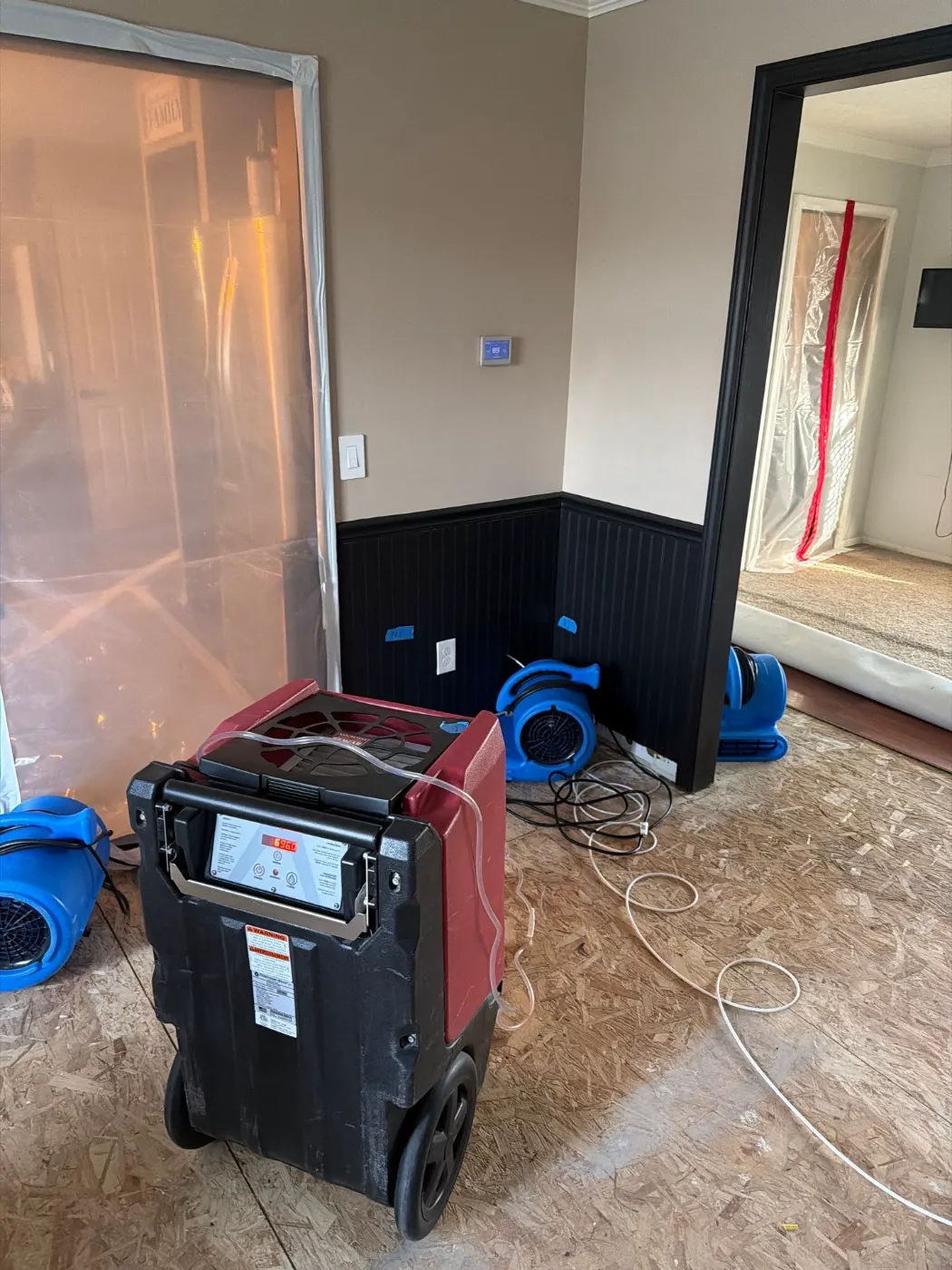
Affected areas get polyed off and put under negative pressure where the water category calls for it, with corridors and egress kept clear. Zone boundaries get drawn with your management office so unaffected tenants keep working.
Extraction at Scale
Submersible pumps take standing water, truck mounted units pull saturation from commercial carpet and glue down assemblies, and weighted heads work the backing. Crews move in sections on large floor plates so water doesn't get pushed into dry space.
Selective Removal
Material comes out of your Allisonville building where the meters and the water category support it, and stays where it can dry in place. Each cut is photographed and logged by location, and the list is reviewed with you in writing.
Equipment Placement and Circuits
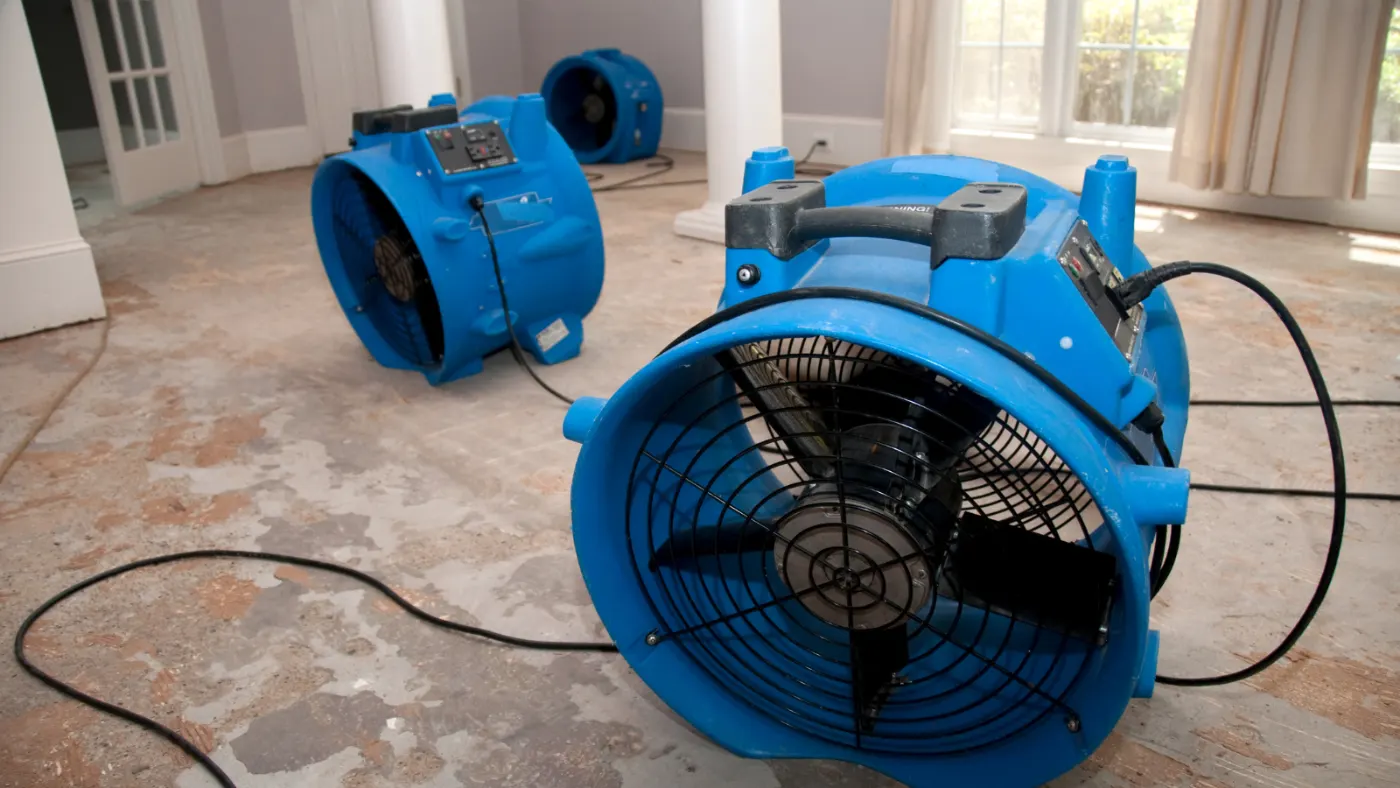
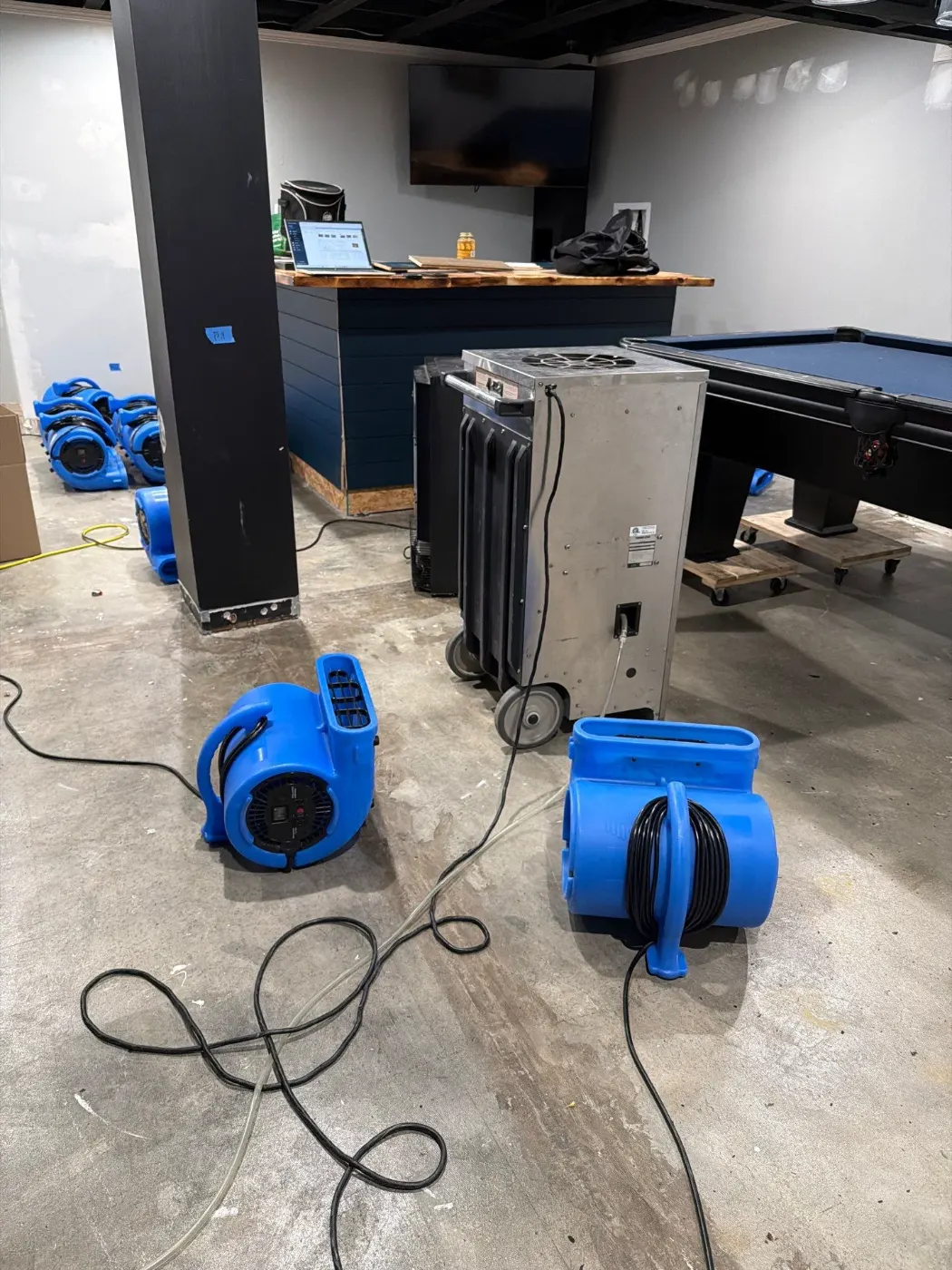
Air movers and dehumidifiers go where the drying calculation puts them, with ducting routed into plenums and shafts. The crew confirms what each circuit can carry and routes cords overhead or along walls to keep exits clear.
Commercial Water Restoration in Allisonville
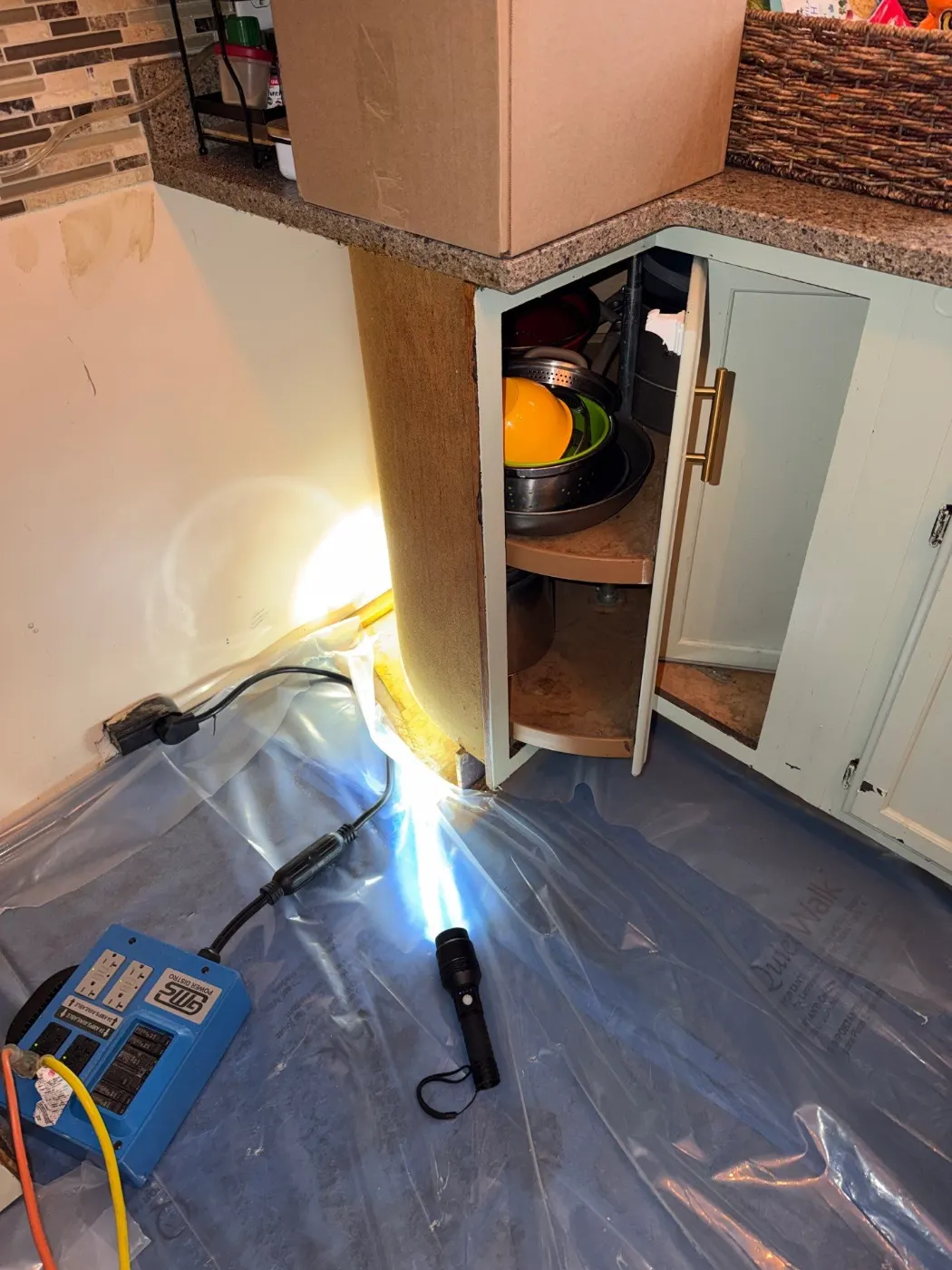
Photographs from real commercial water restoration jobs completed by our crew in Allisonville and surrounding areas.
Commercial Water Restoration FAQ
Questions Allisonville property managers ask us about commercial water restoration.
Guidance and Standards for Commercial Water Restoration
- The ANSI/IICRC S500 is the published standard for professional water damage restoration. The current edition is the Fifth Edition, 2021. IICRC S500 Standard
- EPA advises drying water damaged areas and items within 24 to 48 hours to prevent mold growth. EPA: A Brief Guide to Mold, Moisture and Your Home
Allisonville Neighborhoods We Serve
We take commercial water restoration calls in every part of Allisonville. Pick your neighborhood for local details.
Other Restoration Services in Allisonville
Allisonville Water Restoration handles the full scope of restoration work. Explore our other services below.
Water Damage Restoration in Allisonville
24/7 emergency response. IICRC certified water restoration from extraction to full dry out.
Learn more →Basement Flooding in Allisonville
Basement water emergencies handled fast. Extraction, drying, mold prevention.
Learn more →Sewage Cleanup in Allisonville
Category 3 biohazard cleanup. Full containment, decontamination, structural restoration.
Learn more →Request Commercial Water Restoration
Reach Us Directly
Our team is available 24/7 for emergencies and ready to schedule inspections during business hours.
Need Immediate Help?
For active water or mold emergencies, call us directly. We are available 24/7.