Commercial Storm Damage in Allisonville, IN
Property managers in Allisonville get the roof dried in and the floors below dried out from one call.
Commercial Storm Damage in Allisonville, IN starts with one call to Allisonville Water Restoration: live 24/7 dispatch, IICRC certified response, and honest written scopes before work begins. Call (317) 342-7736.
- Service: Commercial Storm Damage for Allisonville homeowners
- Service area: Allisonville, IN and surrounding areas
- Response time: Fast local response for Allisonville; live dispatch every hour of the year
- Licensed and insured (License #RC21100059)
- Serving Allisonville, IN since 2018
Commercial Storm Damage Cleanup in Allisonville
We'll secure and dry commercial buildings in Allisonville after a storm opens the roof or floods a lower level.
Storms Here
Spring and summer are severe thunderstorm season here, and ice storms hit some winters. NWS Indianapolis posts summaries of past storms, which helps when your carrier asks for a date.
We respond to storm calls from businesses anywhere in Allisonville, including those around the East 71st Street retail corridor. We also handle commercial storm damage in Millersville.
Commercial Storm Damage for Allisonville Businesses
Three tenants on three floors call the office about the same ceiling in one morning, and the source is one breach in the low slope roof above all of them. Storm water tracks down column lines and interior partitions, so the stain two floors below the roof is usually the last place anybody looks. Allisonville Water Restoration dispatches a crew to commercial intrusion calls in Allisonville within two hours and maps where the water went.
Before extraction starts, the crew sorts the water by category and the affected materials by class, following the approach in the IICRC S500. Those two calls decide what comes out of the building and how much dehumidification the floor needs. The reasoning goes in the file for your Allisonville building, so the scope can be traced back to it.
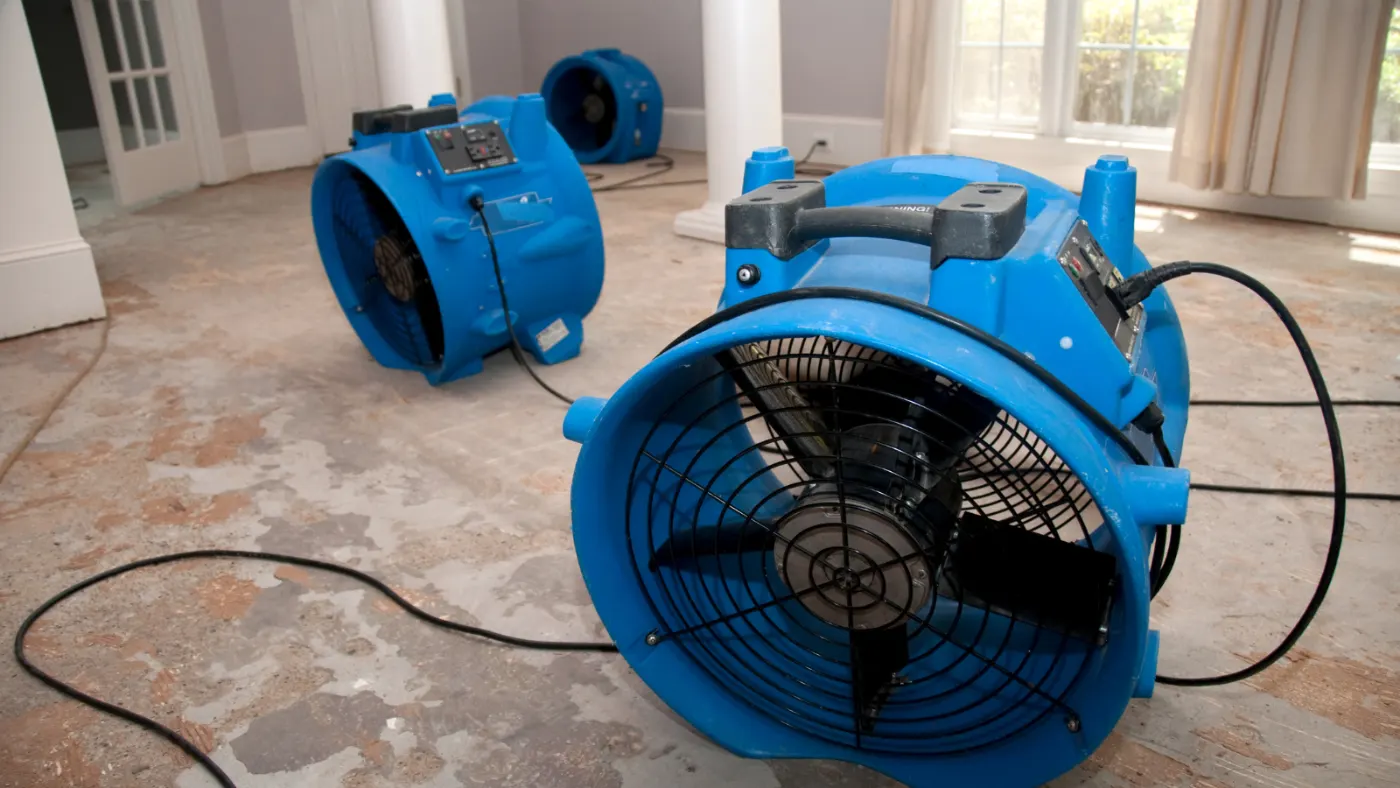
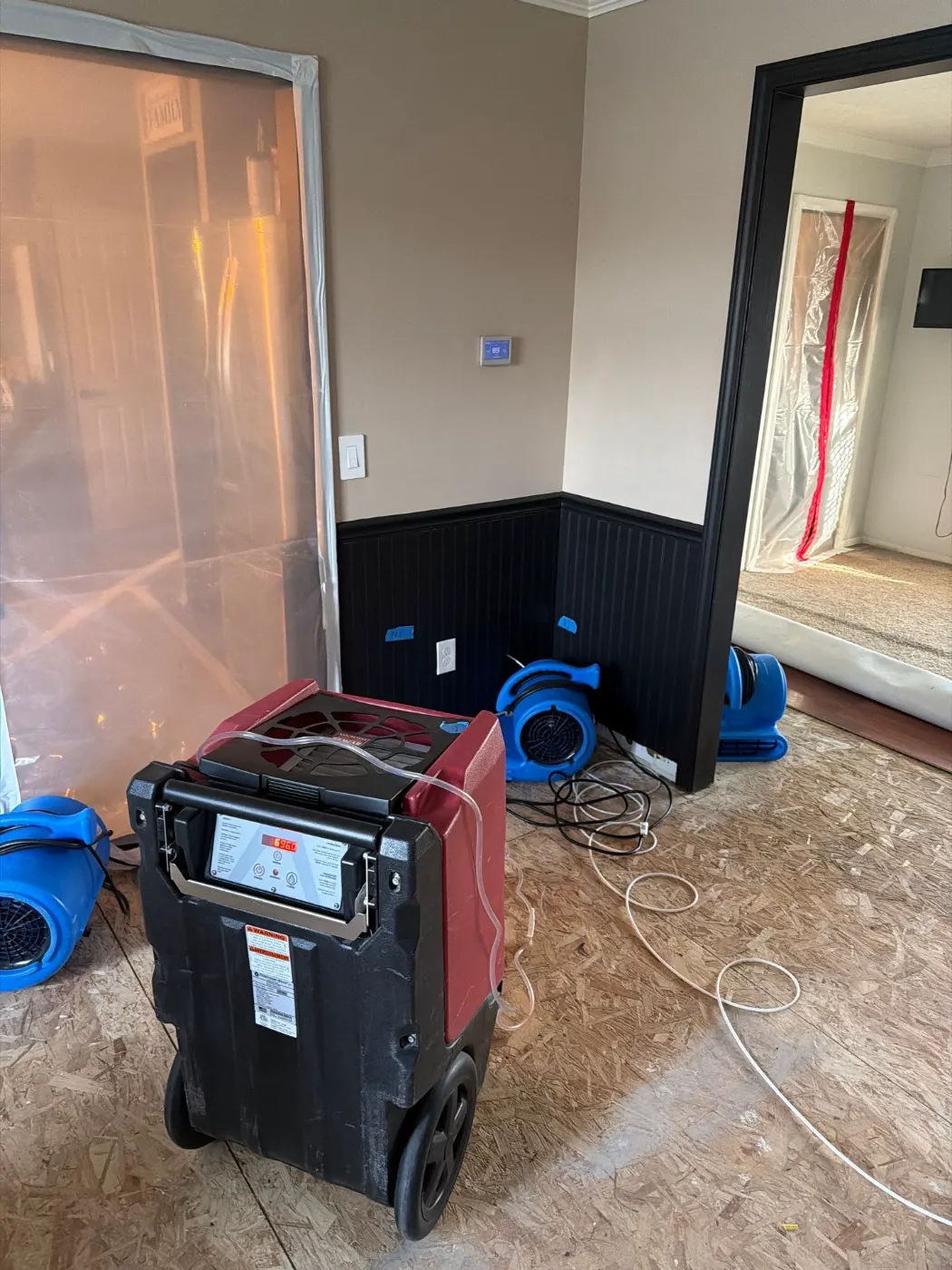
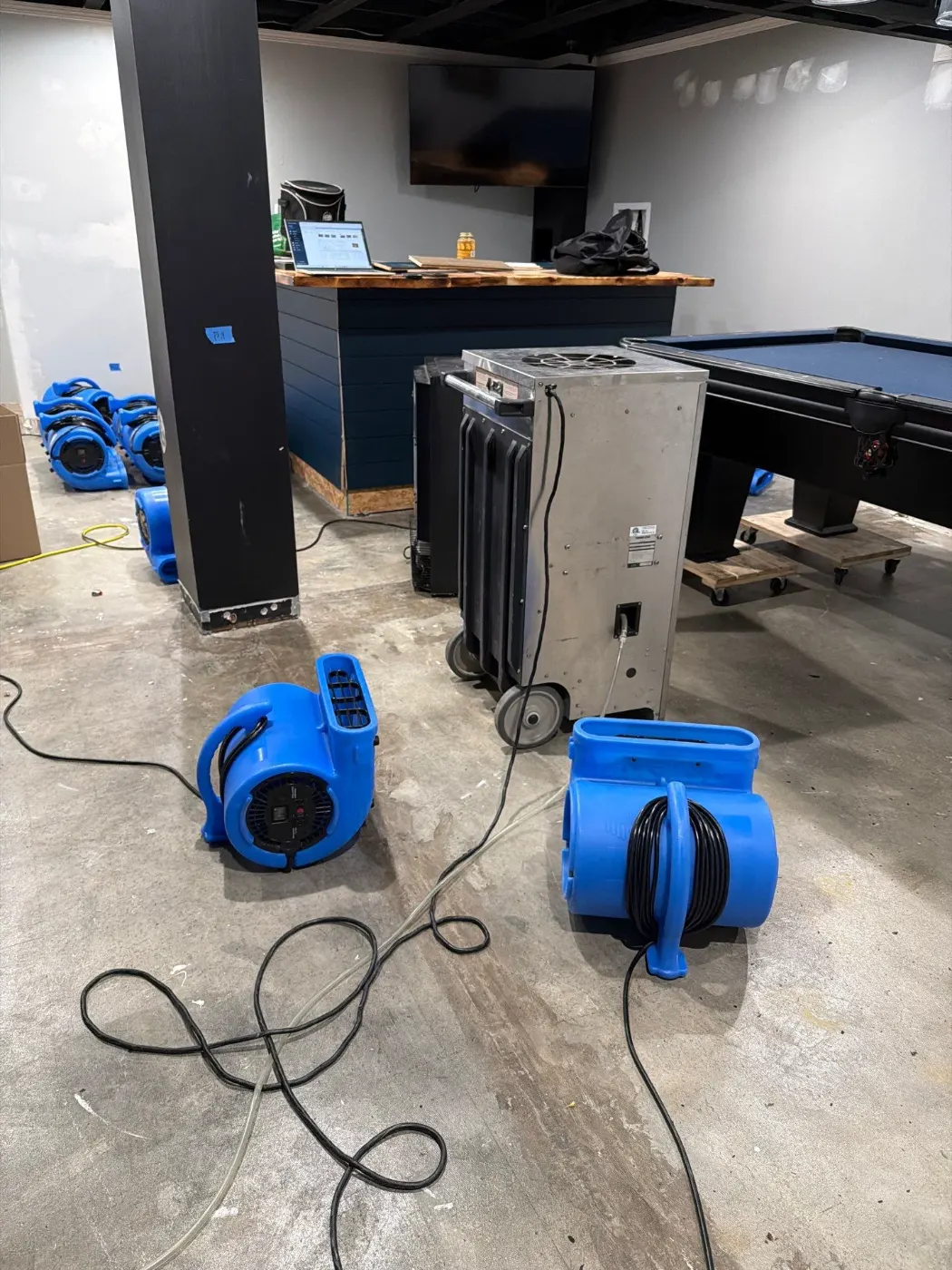
Equipment comes out in stages. As each area reaches its dry goal, the dehumidifiers and air movers there are shut down and moved to the next wet section, which cuts noise and power draw in the parts of your Allisonville building that are finished. The release date for each area goes in the log, and tenants get their space back area by area.
On a multitenant Allisonville building the documentation gets built per suite from the start. Readings, photos and equipment time are tracked by space, so costs can be allocated the way the leases require and a tenant's own contents claim has something to attach to. The team builds that breakdown as the job runs, which is cheaper than reconstructing it from invoices in a month.
Call Allisonville Water Restoration before you start pulling ceiling tile. A crew dispatches day or night to your Allisonville commercial property, and the readings taken on arrival set the scope for everything after. The photos and readings are yours to keep.
Signs You Need Commercial Storm Damage Restoration
If you notice any of these in your Allisonville building, schedule a free inspection before the issue worsens.
Window sills or curtain wall mullions holding water on the inside face after wind driven rain
Light fixtures out in one zone of the ceiling grid after a storm, with the breaker holding
Stored records or fixtures with wet edges or water stains along the bottom
Water lines on the lower walls of a dock office or receiving area
Open seams, shrinkage at a membrane lap, or a corner of the roof lifting in wind
A supply diffuser dripping water or showing rust streaks after a storm
Floor boxes near the glass line with corrosion or standing water inside
Paint blistering or wall covering bubbling on a wall that backs up to the exterior
Corrosion on a fire sprinkler line or head where the pipe runs close to the roof deck
Dock concrete that stays dark and cool to the touch for days after the surface water is gone
How Allisonville Water Restoration Handles Commercial Storm Damage
We follow these steps in order on every Allisonville job.
Two Hour Dispatch
A crew dispatches to your Allisonville commercial property within two hours of the call with extraction units, dry in materials, thermal imaging and moisture meters. Work starts on arrival while the team confirms building access, after hours contacts, and which spaces have to stay open.
Water Path Check
The crew traces the water from the roof breach down through the ceiling to the floors below and photographs the path. Water that backed up out of a drain tied into a sanitary line gets handled as sewage, and that call drives the protocol.
Water Category Call
Rain that started clean can worsen in category as it sits, so the crew classifies the water as it entered and again as it has aged. That call sets which materials get cleaned in place and which come out.
Extraction and Debris Removal
Standing water comes off floors with portable and truck mounted units. Saturated lay in tile and wet batt insulation get bagged and hauled out. Water held in the plenum is released through controlled openings so it stops dripping onto tenant equipment.
Ceiling and Finish Rebuild
Grid gets releveled, new lay in tile goes in, and insulation is replaced to the assembly's original value. Painted surfaces get primed and finished to a line that reads as original, and flooring goes back once slab readings allow it.
Commercial Storm Damage in Allisonville
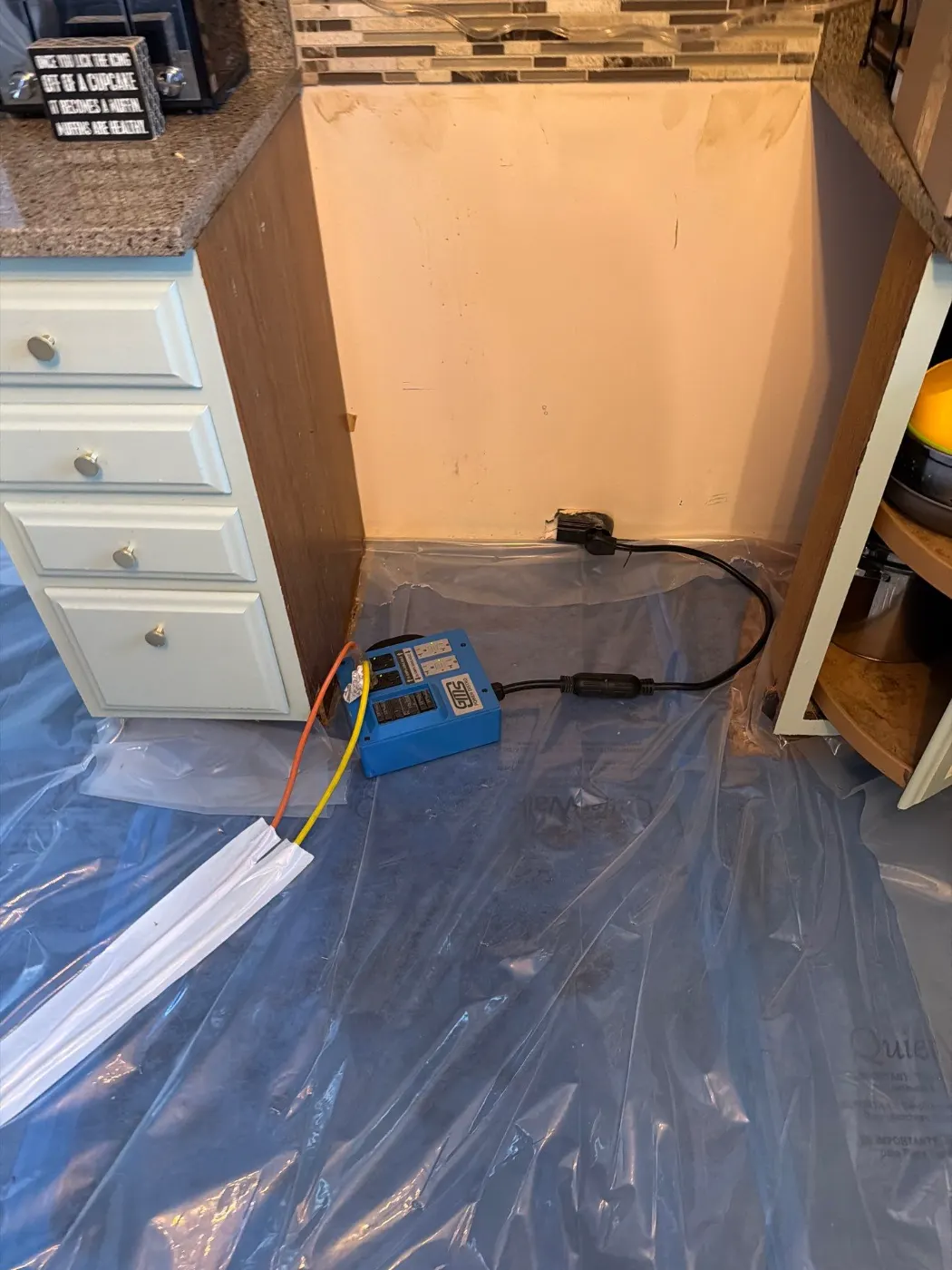
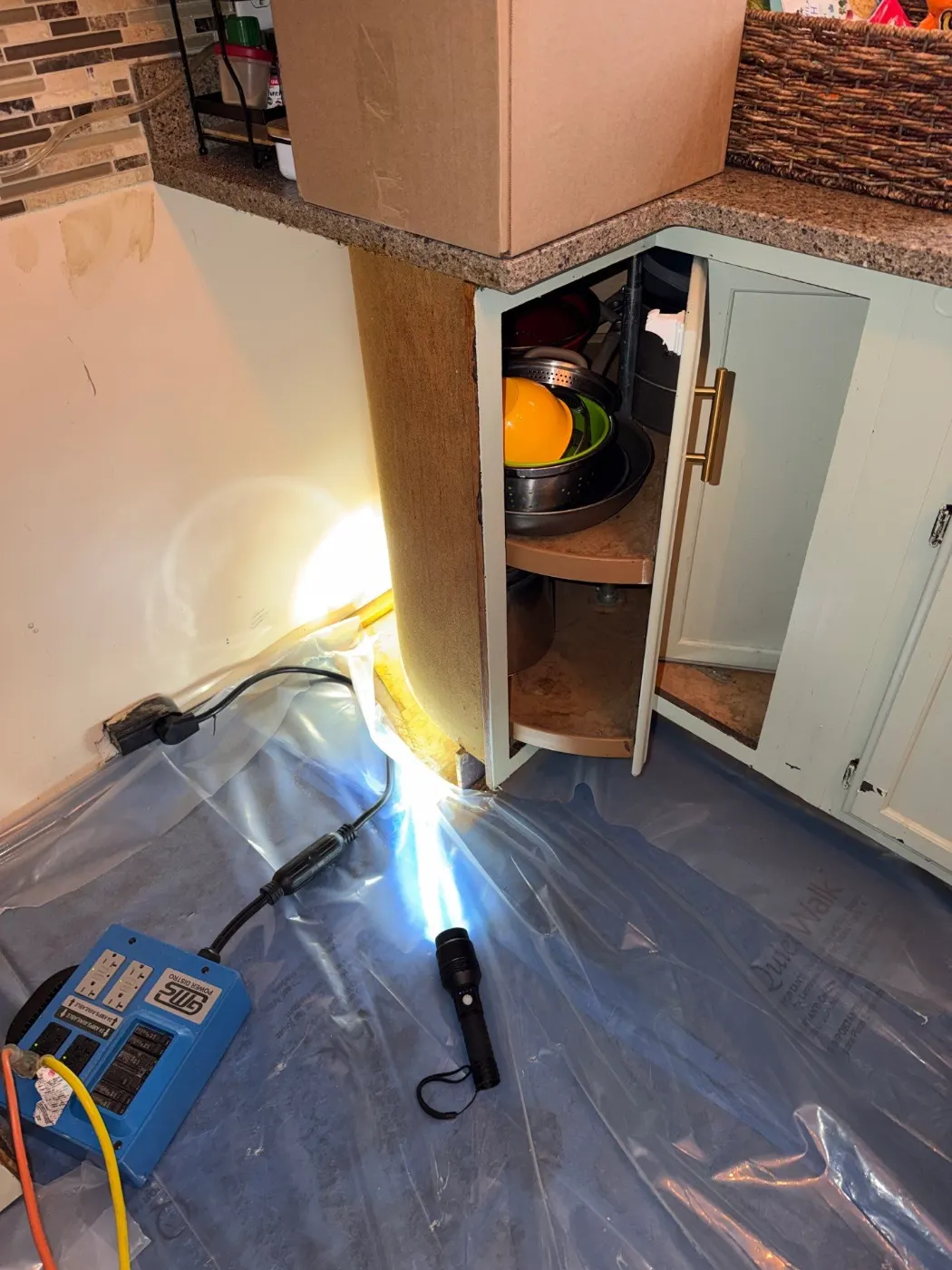
Photographs from real commercial storm damage jobs completed by our crew in Allisonville and surrounding areas.
Commercial Storm Damage FAQ
Questions Allisonville property managers ask us about commercial storm damage restoration.
Guidance and Standards for Commercial Storm Damage
- The National Weather Service office in Indianapolis posts summaries of recent central Indiana storm and flood events. NWS Indianapolis Event Summaries
- The ANSI/IICRC S500 is the published standard for professional water damage restoration. The current edition is the Fifth Edition, 2021. IICRC S500 Standard
Allisonville Neighborhoods We Serve
We take commercial storm damage calls in every part of Allisonville. Pick your neighborhood for local details.
Other Restoration Services in Allisonville
Allisonville Water Restoration handles the full scope of restoration work. Explore our other services below.
Water Damage Restoration in Allisonville
24/7 emergency response. IICRC certified water restoration from extraction to full dry out.
Learn more →Basement Flooding in Allisonville
Basement water emergencies handled fast. Extraction, drying, mold prevention.
Learn more →Sewage Cleanup in Allisonville
Category 3 biohazard cleanup. Full containment, decontamination, structural restoration.
Learn more →Request Commercial Storm Damage Restoration
Reach Us Directly
Our team is available 24/7 for emergencies and ready to schedule inspections during business hours.
Need Immediate Help?
For active water or mold emergencies, call us directly. We are available 24/7.